8 Ideas for Employee Retention in the Manufacturing Industry
Manufacturing is one of the industries most affected by employee turnover. Skilled workers are leaving faster than many teams can replace them. This creates gaps on the shop floor and puts pressure on production schedules. It also leads to higher costs and added strain on remaining employees.
The impact goes beyond HR metrics. Turnover affects product quality, safety, and overall profitability. When experienced operators leave a lot can be lost. They take years of knowledge and problem-solving skills with them.
Research shows how widespread this challenge has become. In a Manufacturers Alliance survey, 78% of manufacturing companies reported voluntary turnover of 10% or more among hourly workers.
The good news is that this problem is fixable. This guide shares proven ideas for employee retention in the manufacturing industry. Each one is grounded in real research and focused on what works on the shop floor.
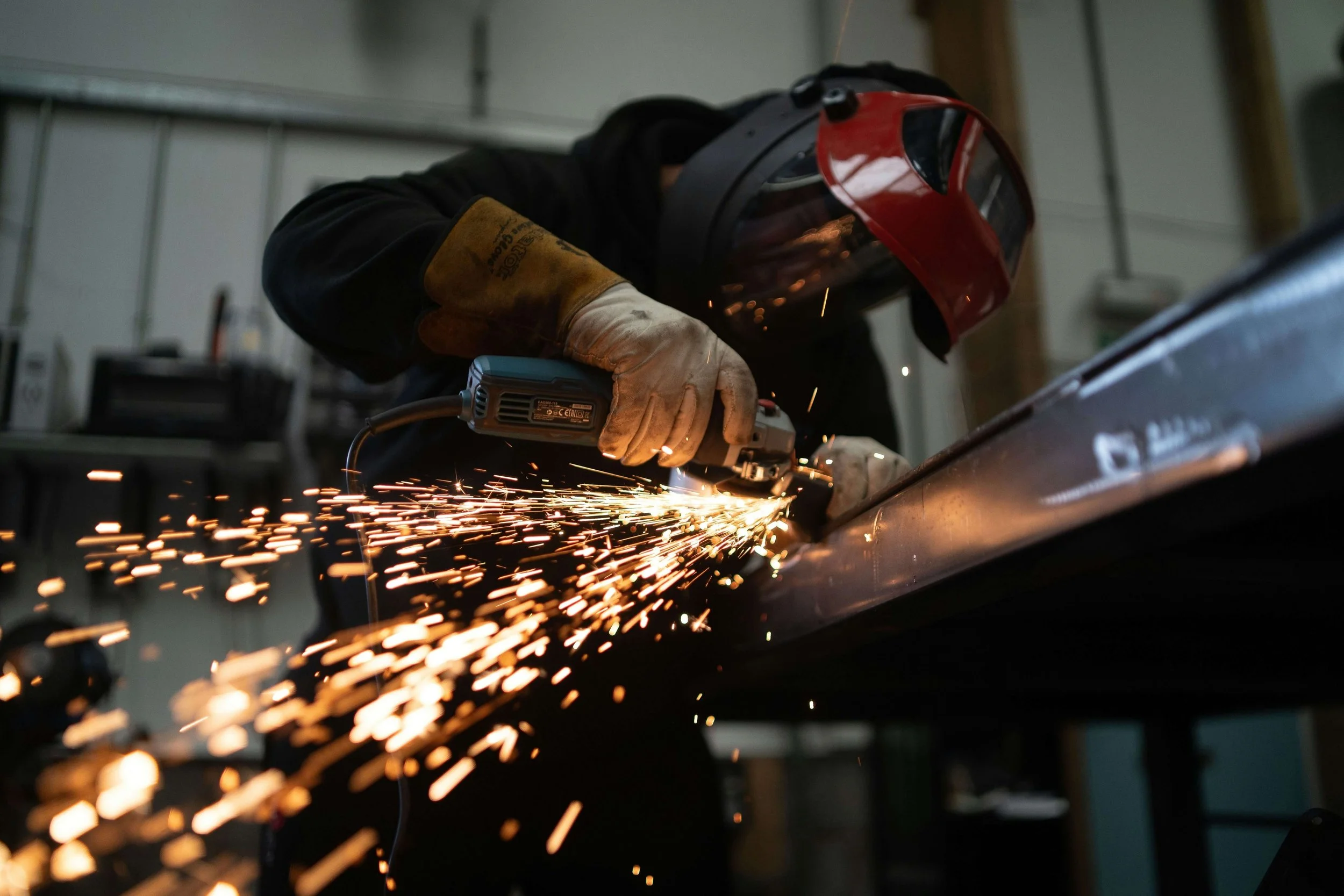
There are real data-driven strategies to retain more employees at your manufacturing business. Read on to learn more.
The Real Cost of Employee Turnover in Manufacturing
Turnover is expensive, even before production slows.
For a skilled role, the cost of replacing a single worker in the U.S. typically rangesfrom $10,000 to $40,000, according to Deloitte.
When accounting for the full spectrum of recruitment, onboarding, and lost productivity, these costs can climb to150% to 200% of an employee's annual salary.
The operational impact is just as serious:
89% of manufacturers report that labor shortages and turnover significantly reduce shop floor efficiency.
Remaining workers faceburnout and morale drops as they cover vacant shifts.
Quality issues increase as newer staff learn through trial and error.
Institutional knowledge disappears with each departure.
For a mid-sized manufacturer, even a small reduction in turnover can save hundreds of thousands in annual operating costs. Not to mention, high-retention companies can be 23% times more profitable. The good news is that you can achieve this with the right retention strategies in place.
Worried About Employee Retention?
Want to make sure your employee retention plan will work? Get in touch for a free consultation today with an experienced HR consultant.
Schedule Your Free Consultation8 Employee Retention Strategies for the Manufacturing Industry
There is no single fix for employee retention in the manufacturing industry. A lot of turnover happens when several issues combine over time. Pay, schedules, leadership, safety, and recognition all play a role.
The strategies below focus on practical changes manufacturers can make to address these areas.
1. Identify and Monitor Your Retention Metrics
Many manufacturing leaders know turnover is a problem, but don’t always know where it starts. Tracking the right retention metrics helps turn assumptions into clear action. Without this visibility, issues often surface only after resignations begin affecting production.
Start with tracking the basic metrics:
overall turnover
voluntary exits
absenteeism
engagement levels
Then go deeper. Look at data by shift, department, or tenure to find patterns. For example, you might see higher turnover among new hires or in specific teams. These insights make it easier to focus efforts where they’ll matter most.
Early indicators are especially useful. Increases in absenteeism or drops in engagement often show up weeks before someone quits. When you spot these signs early, you can step in with conversations or support. A proactive approach prevents many avoidable departures.
2. Make a Good First Impression With Strong Onboarding
Onboarding plays a bigger role in retention than you may think. According to BambooHR,70% of new hires decide if a job is right for them within the first month, and 44% regret their choice within the first week. Those early days really matter.
In manufacturing, effective onboarding should balance safety, skills, and connection. New hires need clear expectations, hands-on training, and time to learn from experienced coworkers. Shadowing works well, especially since 93% of new employees say they want that experience.
Make sure you schedule regular check-ins during the first 30, 60, and 90 days. This will help you catch confusion or frustration early.
3. Discourage Toxic Workplace Dynamics
Toxic work environments quietly drive good employees away. According to iHire’s2025 Toxic Workplace Trends Report, 75% of employees have worked in a toxic environment at some point in their career. This is more than a cultural issue. It’s a retention crisis, as 32% of workers who quit in the past year cited a toxic workplace as their main reason for leaving.
The operational impact is most felt through leadership. 79% of those who experienced toxicity blamed poor leadership or management.
Toxicity often shows up as:
Favoritism: 66% of employees cite biased treatment as a top leadership failing.
Lack of Accountability: 72% of workers say management fails to take responsibility for their actions.
Silence on Concerns: 65% of workers who reported toxic incidents said their organization did nothing to address or mitigate the issue.
Addressing these issues starts with clear expectations. Start by defining acceptable workplace behavior. Hold everyone accountable to the same standards. Put these expectations in writing and reinforce them through regular training.
Provide managers with practical training on the following:
Handling conflict
Giving clear, constructive feedback
Active listening
Fair and consistent decision-making
Recognizing effort and progress
Supporting employee well-being
This helps prevent small problems from turning into reasons people leave.
Set up anonymous reporting channels so employees can raise concerns without fear of retaliation. Make sure these systems are easy to use and that employees know how and when to access them.
What matters most is the follow-through. When leaders respond quickly and take concerns seriously, employees notice. Trust begins to rebuild, and people feel more confident staying with the organization.
4. Foster a Collaborative Company Culture
Manufacturing work depends on teamwork. When people feel disconnected from each other, mistakes increase and morale drops.
Collaboration doesn’t require complex programs. Simple practices like daily shift huddles or regular team check-ins can help. This gives employees the chance to share updates and raise concerns. Team-based goals, such as safety targets or delivery benchmarks, encourage people to work together instead of in silos.
Leaders should also encourage employee input on process improvements. It’s important to recognize ideas that make work safer or more efficient. Tools like shared boards or suggestion systems can help connect teams across shifts.
When employees feel part of a supportive group working toward common goals, they’re more engaged and more likely to stay.
5. Strengthen Leadership and Management
In manufacturing, daily interactions with managers shape how employees feel about their work.
However, many supervisors are promoted because they know the job well, not because they’ve been trained to lead people. Without support, this can create gaps in communication and trust.
Management training should focus on practical people skills: clear communication, active listening, and fair decision-making.
Stay interviews are also helpful. They give managers a chance to understand what keeps employees engaged and what might cause frustration before someone considers leaving.
Leadership presence matters as well. Managers who spend time on the shop floor build stronger relationships and spot issues early.
Consistent treatment across shifts is essential. When employees feel respected and supported, they are far more likely to stay.
6. Invest in Employee Recognition
Recognition is one of the simplest ways to improve retention, yet it’s often overlooked.
Workhuman and Gallup found that employees who feel recognized are up to 9 times more likely to be engaged. In addition, well-recognized employees are 45% less likely to leave within two years. Employees who feel ignored aretwice as likely to quit within a year.
Effective recognition doesn’t need to be expensive. What matters most is that it is timely, specific, and sincere. Acknowledging safe work practices, consistent effort, or teamwork in the moment reinforces the behaviors you want to see more often.
Simple systems work best in manufacturing settings. This might include:
a shared recognition board in the break room
quick shout-outs during shift huddles
a short form where employees can nominate coworkers for weekly recognition
rotating “thank you” cards or digital tools for peer-to-peerpraise across shifts
small rewards for hitting safety, quality, or attendance goals, like a team lunch or coffee vouchers.
When recognition is built into everyday routines, employees feel seen and appreciated. Over time, thisstrengthens engagement and reduces the likelihood that people start looking elsewhere.
7. Prioritize Workplace Safety
Safety is central to employee retention in manufacturing. A2024 Vector Solutions survey found that safety is the second most important factor influencing whether industrial workers stay, right after pay.
However, perception matters. In that same survey, 83% of workers felt safety procedures were treated as checkboxes rather than real commitments. Nearly half believed their employer could do more to prevent incidents.
Strong safety cultures encourage employees to speak up and stop work when something feels unsafe. Regular training, ergonomic improvements, and updated equipment all reinforce that safety comes first.
Psychological safety matters too. Employees need to feel comfortable reporting near-misses or concerns.
When workers trust that their well-being is a priority, loyalty and retention increase.
8. Offer Competitive Benefits and Work Perks
Pay helps attract employees, but benefits often influence whether they stay. In manufacturing, traditional benefits (healthcare, paid time off, retirement matching, shift differentials, etc.) are still the foundation.
That said, many employees now look for support beyond the basics.
Benefits like tuition assistance, childcare support, mental health services, or help with commuting can make a real difference in day-to-day life.
These offerings show that the company understands the pressures employees face outside of work.
Manufacturing roles don’t allow the same flexibility as office jobs, but small adjustments still matter. Clear time-off policies, easier shift swaps, and support during major life changes can reduce stress and make employees feel more supported.
Want more human resource advice? Check out our blog.
Worried About Employee Retention?
Want to make sure your employee retention plan will work? Get in touch for a free consultation today with an experienced HR consultant.
Schedule Your Free ConsultationImplement The New System 1 Change AT A Time
Employee retention strategies for the manufacturing industry work when they are intentional, consistent, and measured. Small improvements compound quickly. And every prevented departure protects productivity, safety, and institutional knowledge.
Start with one change. Track the results. Then build from there.
AtHidden Gem Career Coaching, we can help you assess and improve your retention rate.Schedule a free consultation today.
If you’d like to check out some more employee retention strategies, read our ultimate list here:66 Employee Retention Strategies Backed By Hard Data