Mental Health Speaker for the Workplace - Jessica D. Winder
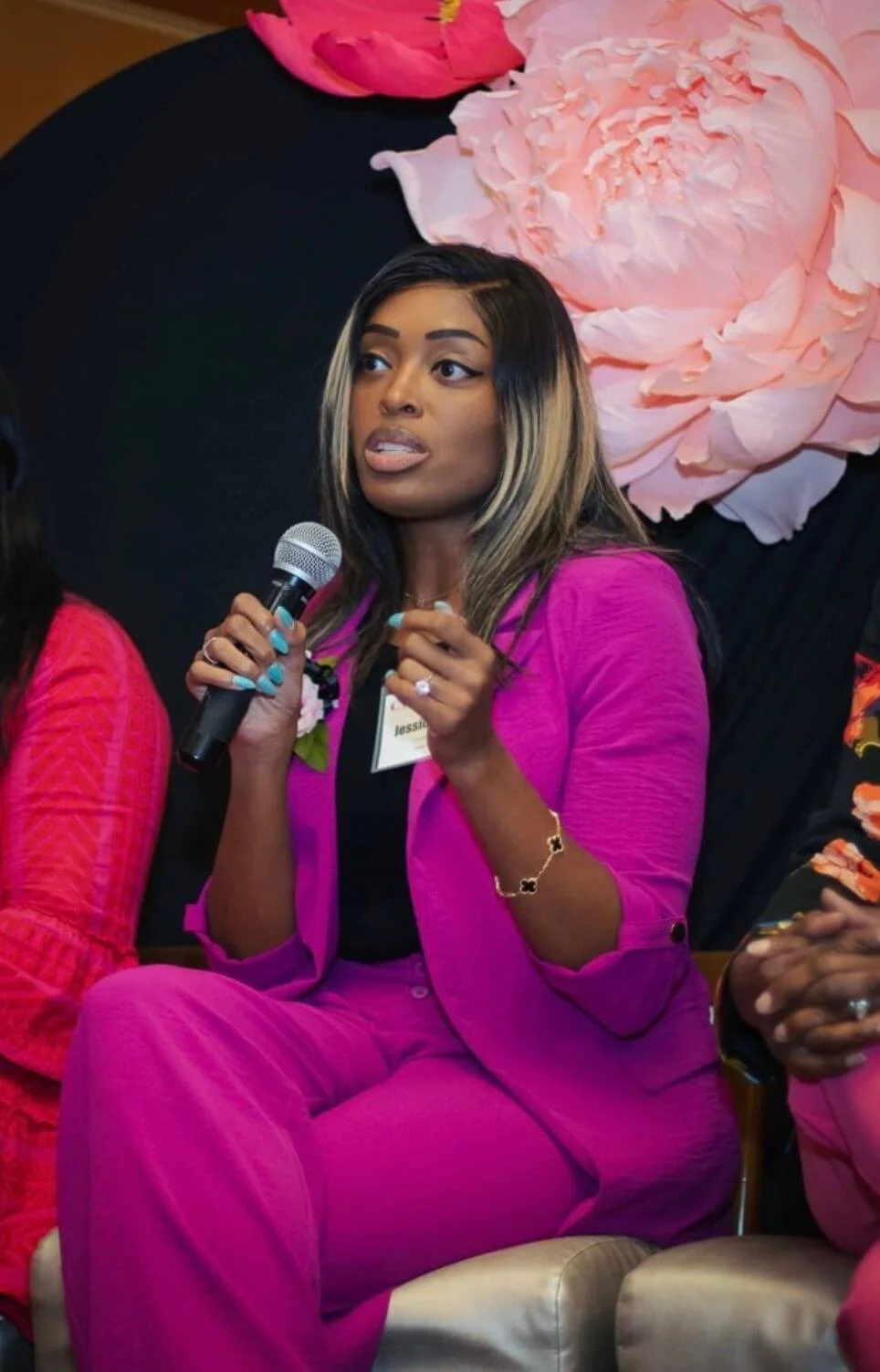
Jessica speaking at an HR event.
Is mental health a big struggle for your organization? Look no further, Jessica D. Winder is the mental health speaker for the workplace you’ve been looking for.
Jessica is a published author, SVP of HR, and founder of consulting firm Hidden Gem Career Coaching.
This page covers her services and the workplace mental health topics she can support.
Why workplace mental health speakers matter and how they help organizations
The topics a mental health speaker can cover
How to choose the right mental health speaker for your workplace
Why Workplace Mental Health Matters
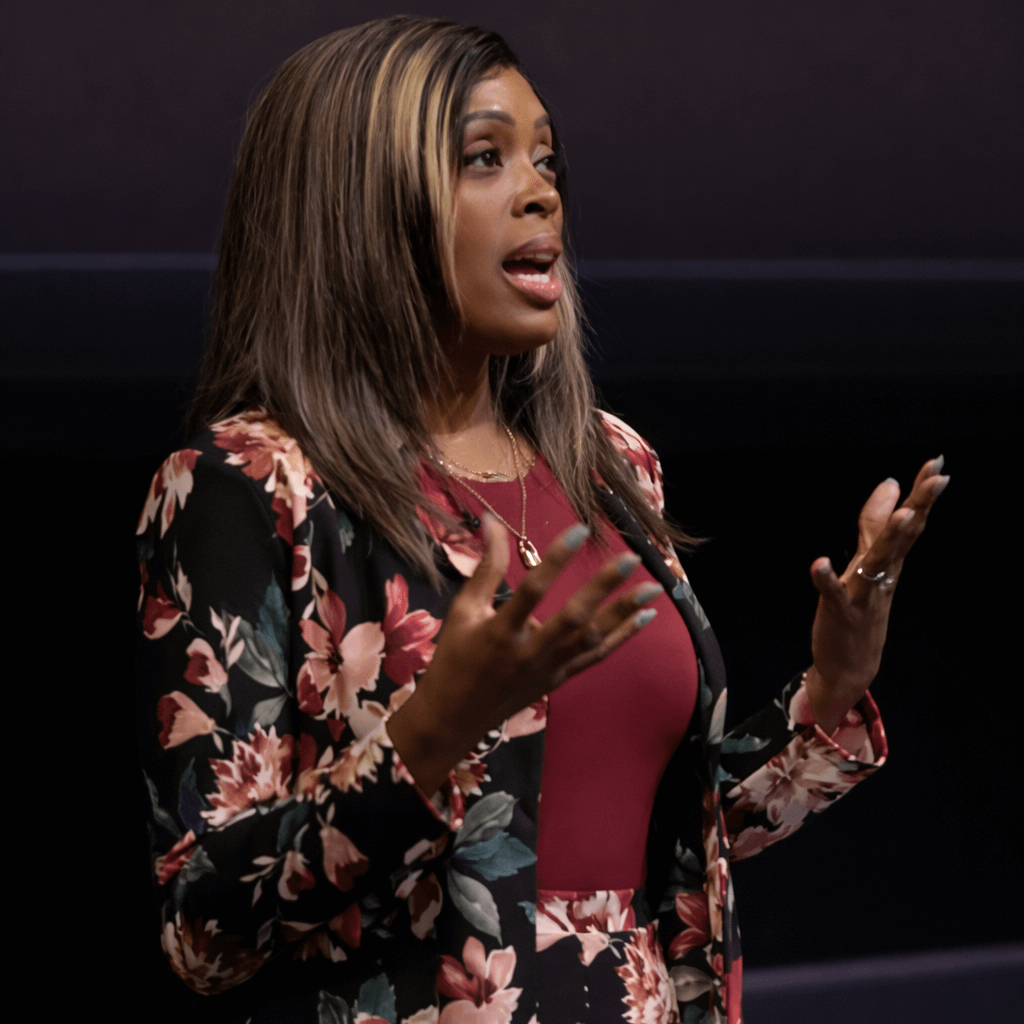
Jessica speaking at the conference DisruptHR
The Business Impact of Mental Health Challenges
Here are some of the mental health challenges that affect business metrics:
Absenteeism
Missed workdays can cause a business to lose money.
For instance, this analysis shows job stress nationwide costs a business up to $187 billion. 70-90% of those losses are due to the decline in productivity.
Presenteeism
Presenteeism happens when employees are at work but operating at a slower pace.
This underperformance due to stress or illness can impact the business. Research found poor mental health can reduce productivity by $47.6 billion each year.
Productivity loss
Absence and low performance can keep a business from meeting its targets.
This can also affect broader worldwide economic output. One study in Japan found that these production losses reached $46.7 billion. Costs related to absences reached $1.85 billion.
Turnover Risk
When employees face mental health issues, there is a high risk of them leaving. This means a risk of turnover.
These mental challenges can occur due to rising burnout levels. Increased levels of stress and hybrid working can give employees fatigue.

Why Companies Are Investing in Mental Wellness
Here is how companies are investing in mental wellness.
DEI Goals
Companies are working on DEI goals to support mental wellness. This includes ensuring diversity and inclusion across the workplace.
Safety culture
Organizations are focusing on safety culture by putting employee safety first.
Psychological safety
Companies want employees to feel safe and offer their ideas and concerns. They are creating tools to help promote psychological safety.
Corporate wellness budgets
Employers are putting more money toward employee wellness, including bringing in a mental health speaker for the workplace.
Businesses are investing in mental health initiatives to make open conversations easier for employees, helping prevent potential crises.
An analysis of employers in the UK found that mental health initiatives return £5.30 for every £1.
The support for employees needs to be proactive rather than reactive. This can avoid a crisis if employers take action now.
Burnout, Stress, and Employee Retention
Burnout is an issue that causes employees to leave. Staff members who deal with burnout can have disengagement with their role. They will end up making errors and don't work as hard.
This can lead to quiet quitting or mentally checking out while still on the job. This can then lead to turnover intention which means the employee will then be ready to leave the role.
Burnout causes a loss in engagement from staff and can affect morale. This is preventable turnover where the employee feels detached. They then consider leaving.
An International Labor Organization report found that employees with mental health conditions miss work more often-32% compared to 19%.
With this in mind, it’s not surprising that HR teams offer wellness programs. When HR works on the mental health of their staff, they can reduce turnover cycles.
A WHO review found treatments and changes to the workplace can improve employee mental health.
Jessica D. Winder - Workplace Mental Health Speaker
As an experienced HR executive, Jessica understands leadership and the workplace.

Speaking Examples and Industry Reach
Jessica D. Winder has worked with the following industries:
Corporate
Tech
HR
Education
Government Associations
Jessica can present on topics such as how to lead through burnout and how to create psychologically safe teams.
What a Mental Health Speaker Does
Real Stories That Reduce Stigma
Mental health speakers work with employers to help reduce stigma. Speakers often open up about their own experiences and struggles. They use honest storytelling. This helps normalize mental health conversations.
Talking about experiences such as burnout recovery can help employees be more open. Speaking about these safety concerns is important. It helps employees feel better psychological safety.
Practical Skills Employees Can Use Immediately
Speakers can offer practical skills employees can use right away.
They show ways you can identify warning signs in employees. These include looking out for changes in behavior. Active listening is also an important skill when talking with employees.
They also cover stress management. Breathing exercises can help when employees feel anxious. These can come in handy during tasks, meetings, or when rushing to meet deadlines.
Speakers may also address how employees can handle uncertainty by focusing on what they can and can’t control.
Mental health keynote speakers also offer communication tips and deliver actionable tools employees can use immediately.
Customization for Your Industry and Workforce
Mental health speakers can deliver customized talks for the relevant department, such as HR or tech teams.
There are different ways they can customize their talks, such as:
Keynotes
Breakouts
Workshops
ERG sessions
The speaker will adjust the tone for the audience. This may include government, corporate, healthcare, and education sectors.
Creating a Supportive, Open Workplace Culture
Mental health speakers help organizations to be more open. They discuss how employees can be vulnerable.
A speaker can help create more open communication. Through storytelling, they can encourage psychological safety and a sense of belonging.
This can support a more open environment where employees feel more trust and overall satisfaction at work. This can improve company culture.
Possible Programs & Keynote Topics We Offer
Here are some of the workplace mental health related topics Jessica can present on.

Emotional Resilience & Coping Skills
Our experienced speaker can look at coping strategies for staff. This includes reframing their mindset, stress cycles, and regulating emotions. They will also discuss resilience-building exercises.
Resilience is important in scenarios in the workplace. This could be deadlines or hard conversations.
Change Management & Navigating Uncertainty
Jessica can discuss adapting to changes in the workplace. She will also discuss how to maintain clarity. Also, how to deal with response vs react when in certain scenarios.
The speaker will also discuss emotional reactions to the reorganization of the business. This can include having to make layoffs and shifts to leadership.
Team-Building Workshops & Interactive Sessions
Group discussion with role play and scenario-based exercises can increase belonging. It can lead to open discussion, which boosts communication and empathy.
Multi-sensory activities can build connections and provide stress relief. Creative team-building options can help open discussion.
Employee Resource Group (ERG) Sessions
ERG sessions can be tailored to specific groups, such as parent ERGs, mental health ERGs, or diversity ERGs.
These sessions can provide practical support, build community, and strengthen resilience
Mental Health in the Workplace
Jessica can support mental health in the workplace, including reducing stigma. She can address communication skills and how to notice warning signs.
She can provide actionable plans that employees can use immediately.
Stress, Anxiety, and Burnout Prevention
Evidence shows there is a link between lost productivity to depression and anxiety. This is from missing work and checking out.
Jessica can deliver a program on navigating time boundaries, which can contribute to burnout. She can also discuss prioritizing workload.
She can talk about grounding and how to measure stress. This is with self-regulation and building resilience.
Leadership & Mental Health Training for Managers
A mental health speaker can offer training on how to identify issues, guide conversations with staff, and model wellness and good behavior.
This training will align with DEI and HR compliance goals.
Suicide Awareness & Prevention in the Workplace
The speaker can cover how to approach suicide awareness. They will approach this topic with sensitivity and avoid any graphic detail.
They will also look at warning signs and how to offer support to staff. This connects employees to resources.
.
Who This Is For
Corporate Teams & Employees
Mental health speakers are often hired for corporate team days. They can also attend wellness events, meetings, and employee appreciation days.
These sessions tend to address top employee concerns such as stress and burnout. They can also cover communication and belonging.
HR Leaders, Executives & Managers
HR teams often book these programs for their staff. They mainly choose programs or speeches that focus on safety and retention.
Executives and leaders also find these programs rewarding. They can learn how to have mental health conversations with staff. This is where Jessica’s advantage as an HR speaker really shines.
DEI, Safety & Wellness Committees
Mental wellness is an important part of an employers' DEI strategy. Employers need to feel included, have a sense of belonging, and feel safe in the workplace. Mental health impacts safety culture.
Achieving this means you need cross-department collaboration.
Parent ERGs & Youth-Focused Orgs
These programs include digital wellness and social media impact on children. Jessica can discuss emotional regulation for kids with parent groups and youth-focused organizations.
Benefits of Bringing in a Workplace Mental Health Speaker

Higher Engagement & Morale
A workplace mental health speaker can increase psychological safety and better communication. They can boost morale and engagement at the workplace.
Post-event, employees open up more, and the team can have better alignment.
Reduced Absenteeism and Turnover
After a workplace mental health speaker visits, organizations may see less stress, fewer absences, and lower turnover. There is also a reduced chance of burnout, which can lead to high replacement costs.
Stronger Team Culture and Trust
Building a strong team culture is important for a business.
If employees and managers all know how to communicate and use tools, it can stop conflict. It can help the team collaborate across teams. With this empathy, trust, and belonging, there can be better teamwork.
Improved Productivity and Job Satisfaction
With better mental health knowledge, employees can focus better on the task at hand. They will also have better performance. HR will find that satisfaction metrics will increase with better retention and absenteeism.
What Makes a Great Workplace Mental Health Speaker
Professional Training + Lived Experience
Good mental health speakers should have professional training, clinical knowledge, and research skills. Lived experience and the ability to tell real-life stories also help with relatability.
Evidence-Based Tools (Not Just ‘Motivation’)
Professional mental health speakers use scientific proven stress reduction tools. They also use emotional regulation techniques such as naming emotions and mindfulness.
They often have evidence-based communication frameworks that a workforce can put into practice. Some great resources can be found through the American Psychological Association (APA).
Trauma-Informed Delivery
A good mental health speaker uses real-life stories. They avoid language that employees may find triggering. They also use grounding techniques and are sensitive around topics such as suicide.
Ability to Tailor to Your Team’s Needs
An experienced speaker will use case studies that are specific to that organization. They will create a tailored question and answer section and will use surveys and prep calls.
How to Choose the Right Mental Health Speaker
Key Questions to Ask Before Booking
When you book a speaker, you should ask the following:
What are your confidentiality protocols?
What is the outcome of the speech?
How much can you customize the talk?
Do you often use specific language for the industry?
How will you measure the success of the talk?
Will you include cross-department collaboration?
What Level of Customization You Should Expect
There is an initial call about work goals, company needs, and an overview of the team. A pre-event assessment then takes place. The speaker can adapt to the current company culture.
The speaker will customize the real-life stories and activities to the company’s needs.
What an Effective Workplace Session Looks Like
A workplace session should include the following:
An opening story by the speaker
Audience engagement
Practical tools
A Q&A session
What the team can take away from the chat
The mental health speaker can adjust the talk for a workplace with hybrid needs.


What to Expect When You Book a Speaker
Planning, Prep Calls, and Customization
There is a discussion on the goals you want to achieve. The speaker will work with the HR team to make sure the content fits the intended purpose.
There will also be a plan on where the AV will be set up and in which room. If online, you will choose a virtual platform.
In-Person, Virtual, and Hybrid Options
When you book a speaker, there will be an option on whether you want a large, interactive breakout session. There could also be a webinar or a lunch-and-learn option that is suitable to fit in weekdays.
You need to include accessibility needs for all employees to attend.
Session Lengths (45-120 Minutes or Workshops)
When you book a session with Jessica, you will discuss the time frame. Whether a 45-minute, 60-minute, or 90-minute deep dive is most appropriate. The program is flexible depending on the needs of the group.
Follow-Up Learning Series or Toolkits
The speaker will discuss any necessary learning tools they can bring. This could be worksheets and toolkits. They can also offer ERG offerings and training modules for long-term effects.
Testimonials
Feedback from Employees
“Jessica is an inspiring, uplifting, and authentic person with people skills. She helped me navigate some of the most challenging times in my career.” Kevin M, Senior Risk Analyst
Feedback from Leadership & HR Teams
“She inspired me to think about next steps for my professional growth” Alexandra H, HR Director.
“Having the opportunity to work with Jessica during some of the most challenging times of my career was a blessing.” Scott V, Federal Regulatory Compliance Manager
How to Book a Mental Health Speaker for Your Workplace
Step 1 - Share Your Goals
Share the audience size and intended outcomes. You can also discuss any challenges and the topics you want covered.
For instance, you might want to improve communication between staff members. Or want to help reduce burnout.
Step 2 - Customize Your Program
Discuss any options you want included in the talk, such as tone, stories, or exercises. The speaker can then adapt these to your specific industry.
Step 3 - Schedule Your Event
You can schedule the event with lead times generally between 2–8 weeks, depending on whether it’s in person or remote.
Step 4 - Support Your Team with Mental Health Resources
Discuss any follow-up resources you want after the talk. These may include worksheets, hotlines, or other materials.
FAQs
What does a mental health speaker typically cover?
They offer programs on topics such as burnout management, stress tools, leadership training, suicide prevention, and stigma reduction. The speaker uses evidence-based content.
How far in advance should we book?
This is usually around 6-12 weeks. If a workplace requires it sooner, there are rush bookings (at an extra cost. The busiest season tends to be May and end-of-year events.
Can sessions be tailored to our company’s challenges?
Yes. Sessions are customizable, including methods such as custom surveys.
Are virtual or hybrid events available?
Yes. Virtual talks can be set up through platforms such as Zoom or Teams. These options are often more affordable and accessible for all staff.